BYRON ECO PARK HABITAT
An Invitation to Like-Minded Partners
Byron Eco Park Habitat was founded by Dieter Horstmann on a deep respect for the land. Before any development, we honour its spirit with love – not greed. This space is sacred, carrying the stories of First Australians, the native plants and wildlife that call it home, and our own personal journey.
Our goal is to create a living example of what’s possible when habitat protection, community and ethical enterprise come together. The park will restore and protect native ecosystems and wildlife corridors, while showcasing innovative, low-impact initiatives and Earth-honouring practices that demonstrate how human excellence can thrive in harmony with nature.
This is more than a project – it’s a legacy. A thriving habitat that, in years to come, will be recognised as a meaningful and enduring contribution to the biodiversity of our beautiful region and to the world.
Location Perfection

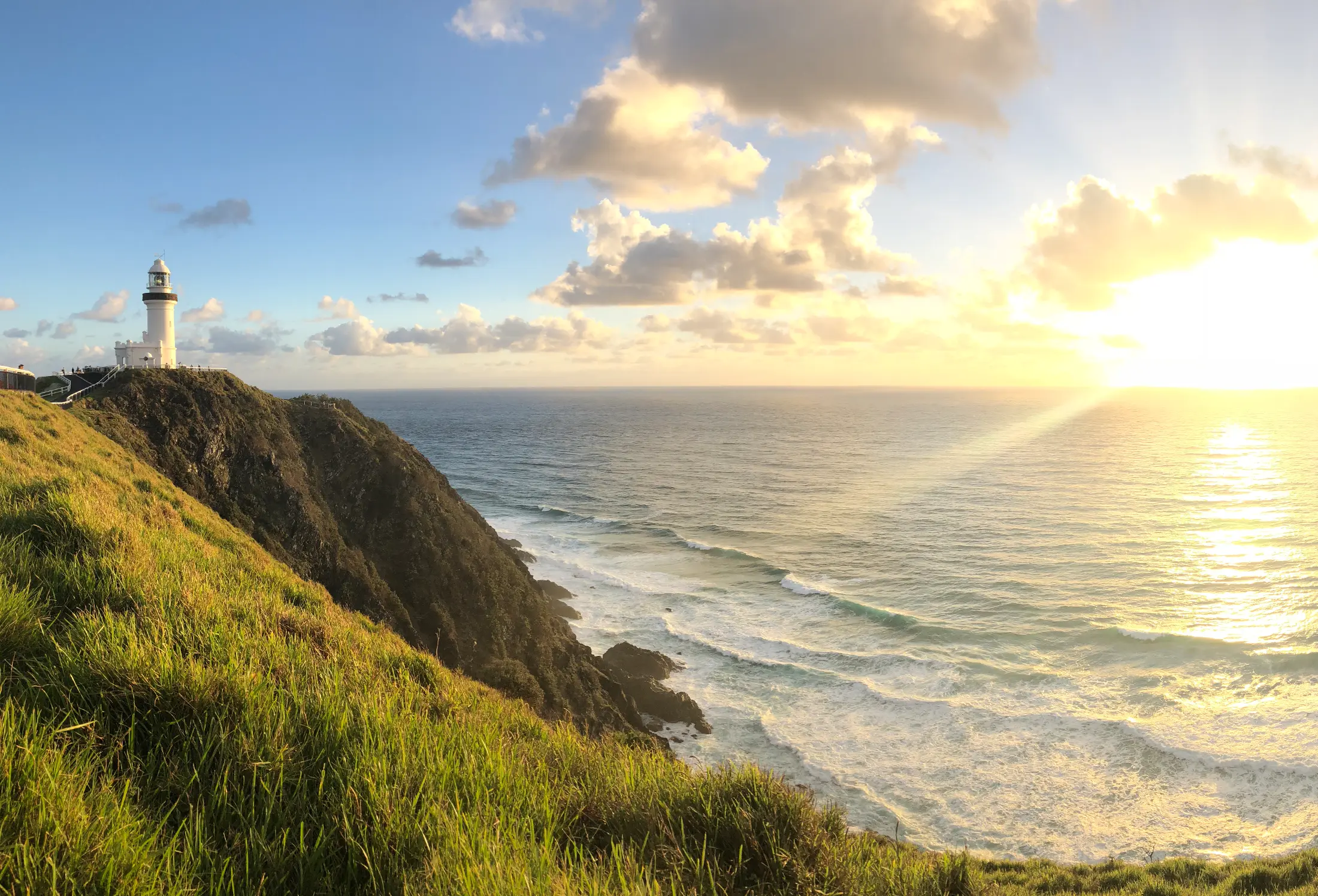
A Meeting Place
Ballina Byron Gateway Airport 29 minutes.
Gold Coast Airport 39 minutes.
Brisbane CBD 1 hour and 44 minutes.
Byron Bay 16 minutes.
2024: Approx 1.90 million visitors.
91% domestic (1.73 million).
9% international (170,000).
Current Mayor 2025 – Sarah Ndiaye.
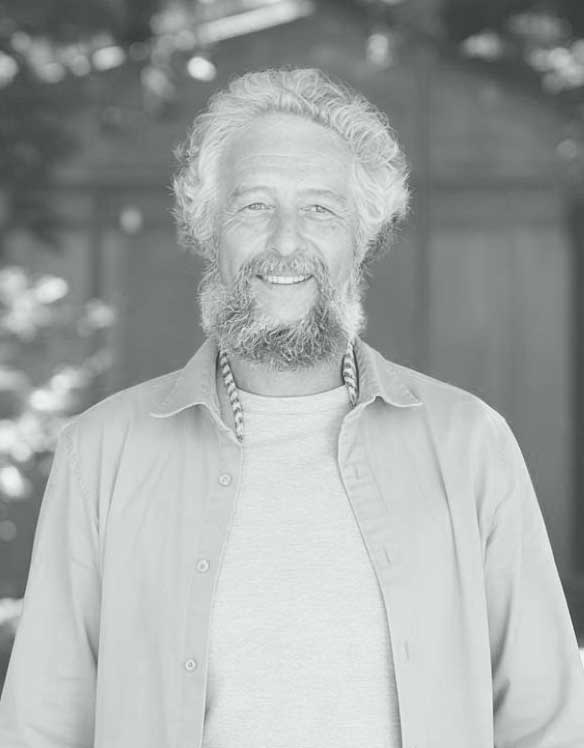
A lifetime of caring
Dieter Horstmann has been working tirelessly for over three decades inspiring and facilitating the work of passionate, like minded people for the furtherance of environmental preservation, protection and sustainability. Dieter’s focus has been to provide the spaces and materials needed for innovators and cultural creators to flourish.
Byron Eco Park Habitat (AKA Eagle Farm), represents the culmination of Dieters vision grounded upon a colourful and profoundly spiritual experience through the years.
“As a single person, I cannot change the world. But hoping others think the same, together we may can!”
DIETER HORSTMANN
Our Vision
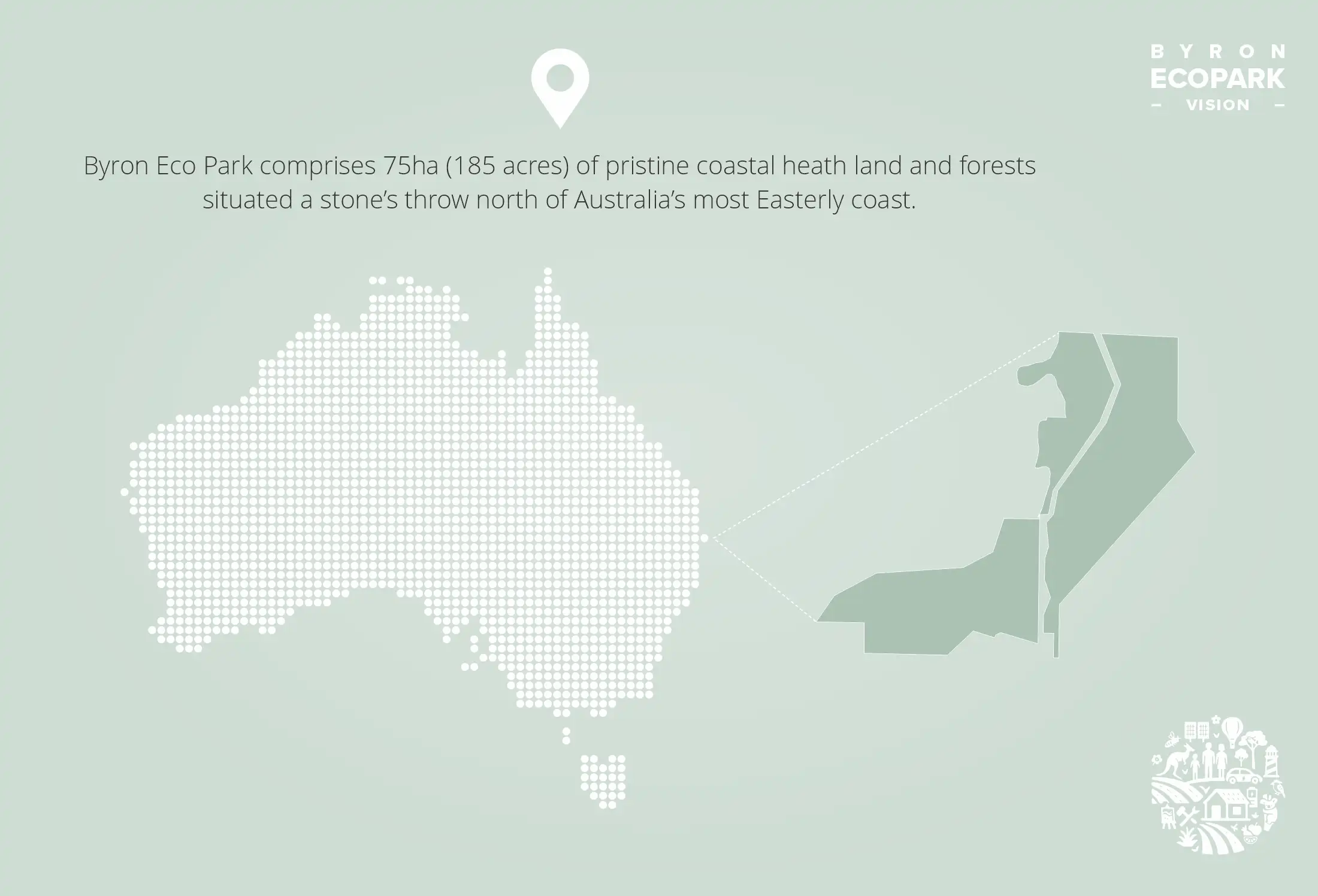
Our vision is to draw on our existing assets, resources and partnerships, including Eagle Farm, our 185-acre property in Northern NSW, to create a working showcase of habitat preservation, biodiversity, and sustainable and cultural practice. With more than 1.9 million visitors to our region each year, we believe we can offer a truly enriching, memorable, inspiring and educational experience. By showcasing the latest in bush regeneration and habitat protection science, alongside sustainable technology, the arts, agriculture and ethical industry, we hope our visitors will carry a message of hope to the world.



Where we are now
Byron Eco Park Habitat – A Regenerative Sanctuary of Scale and Spirit
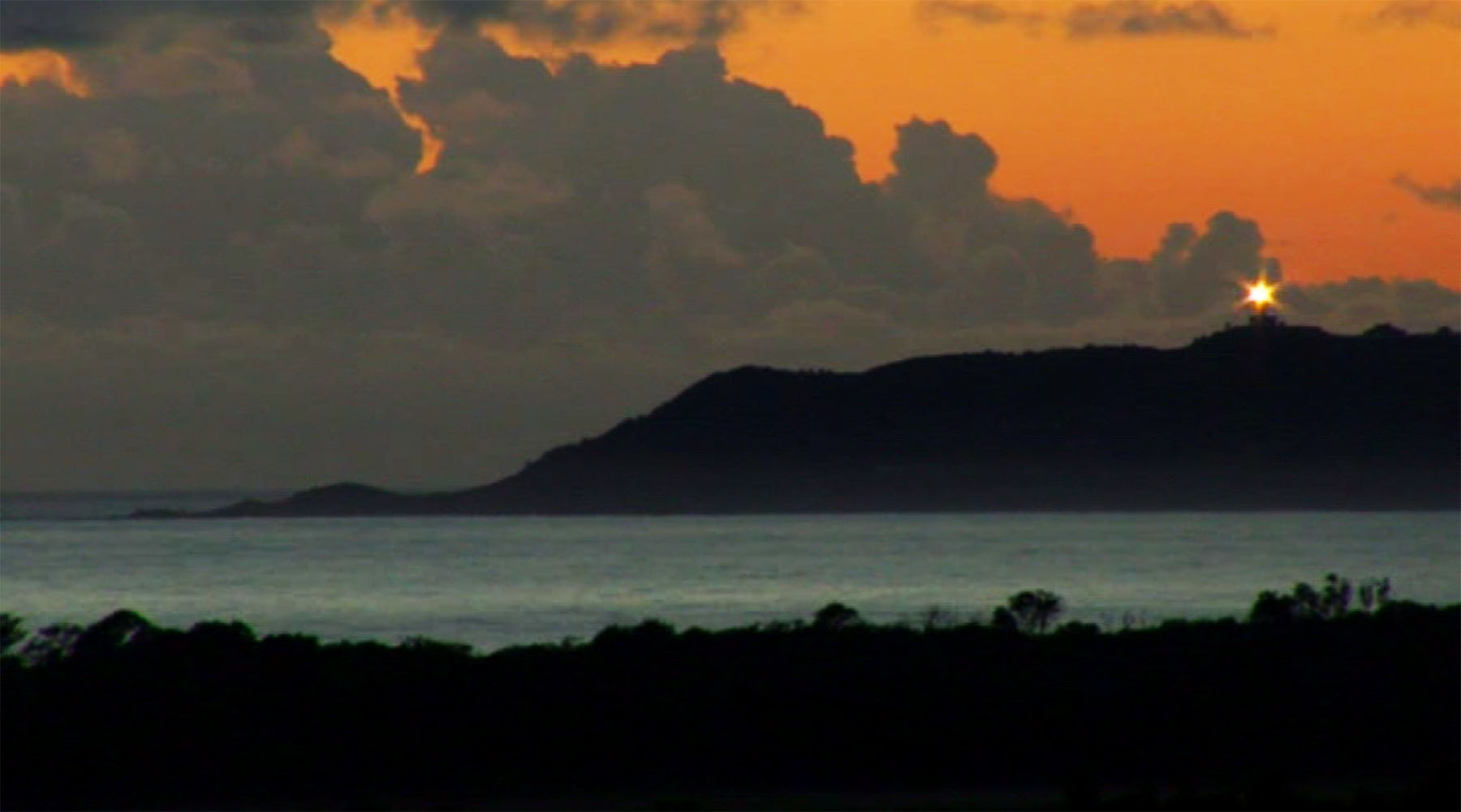
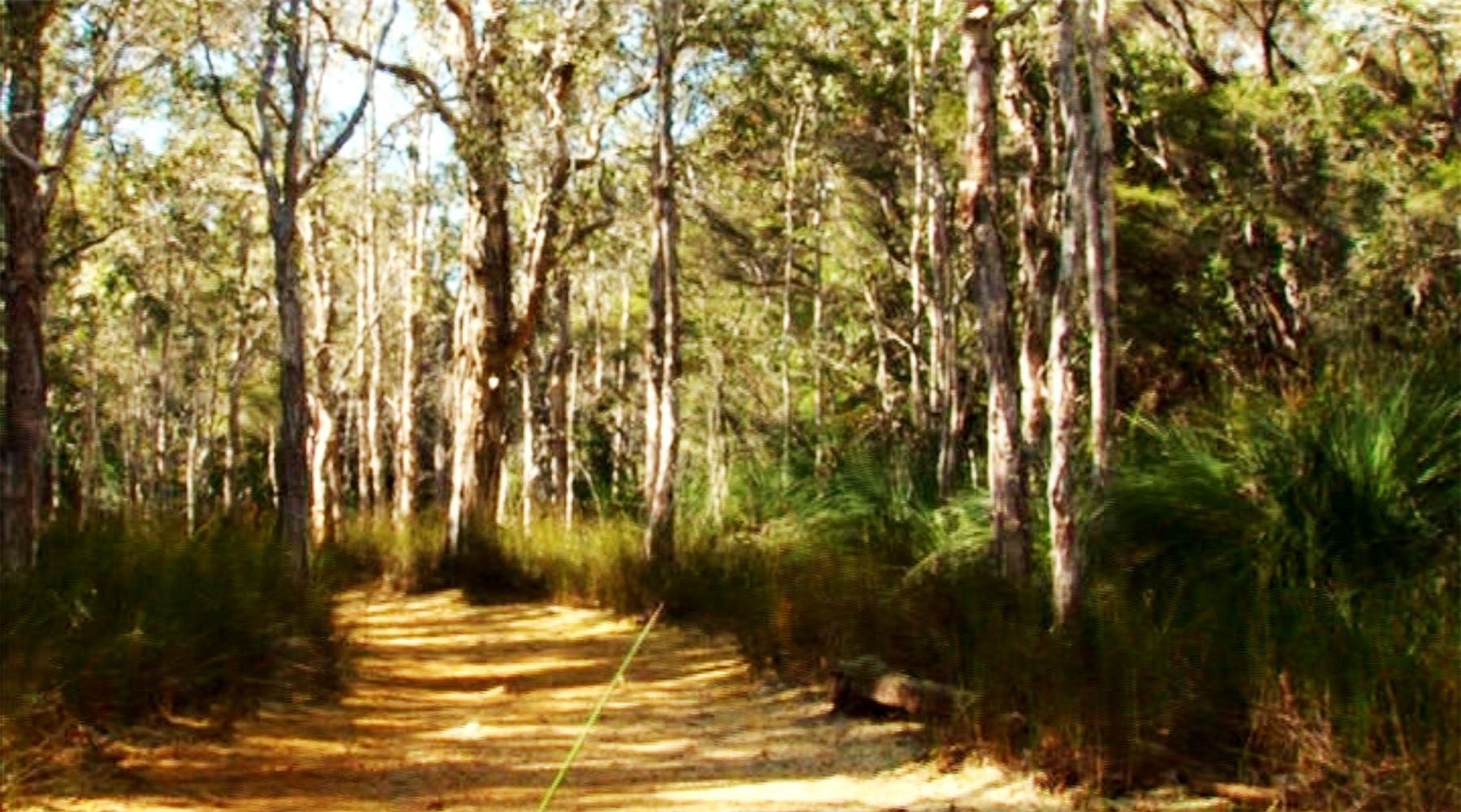
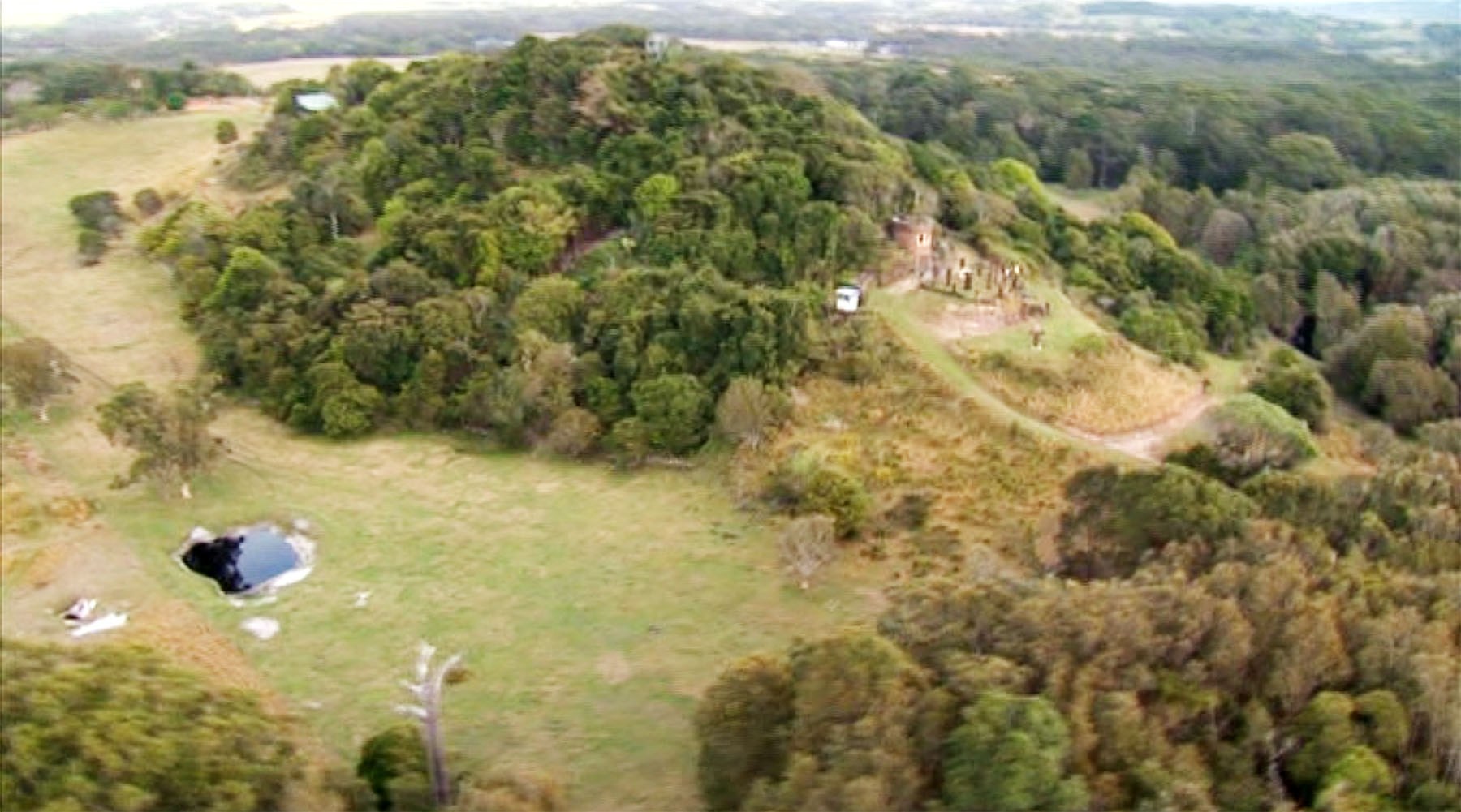
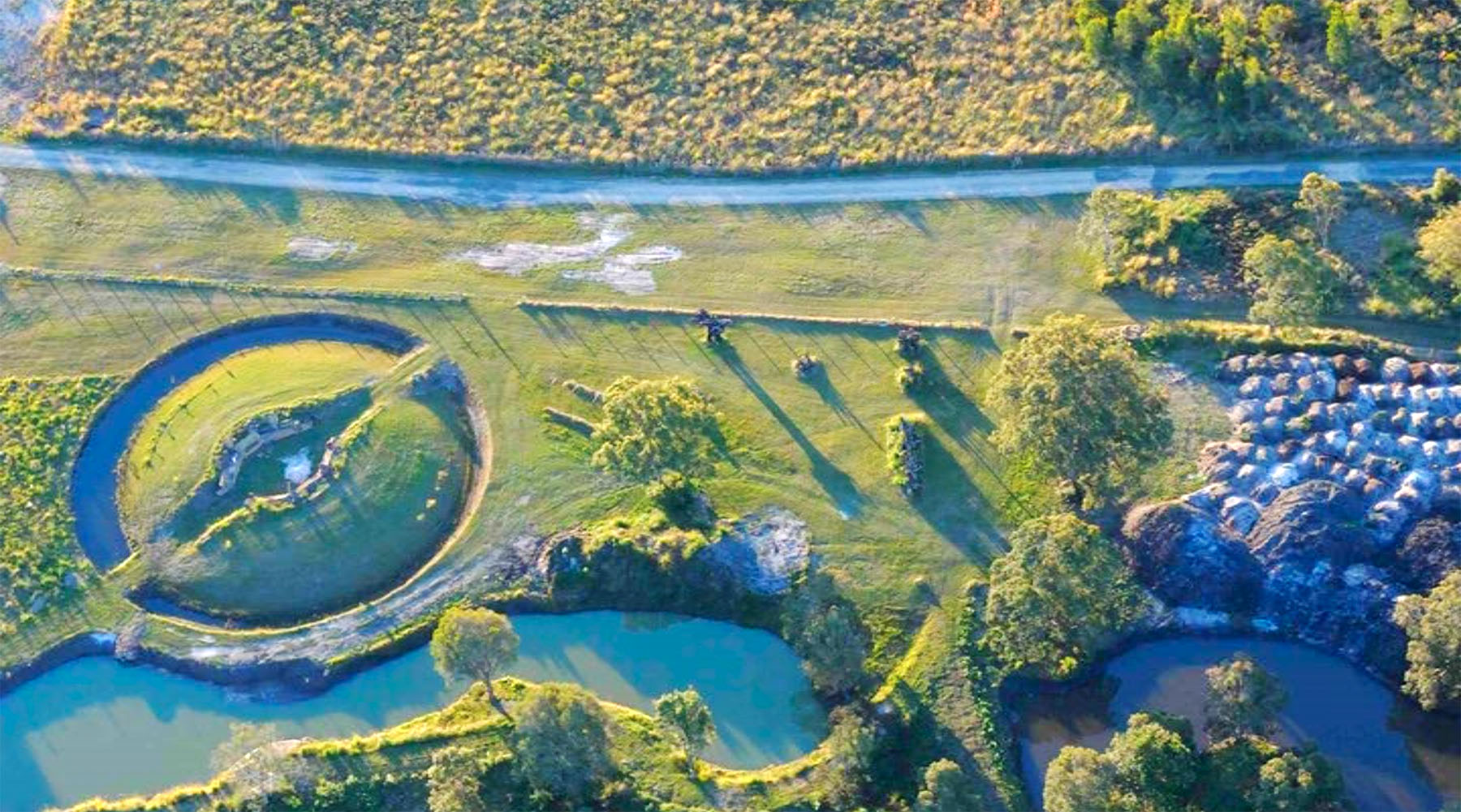
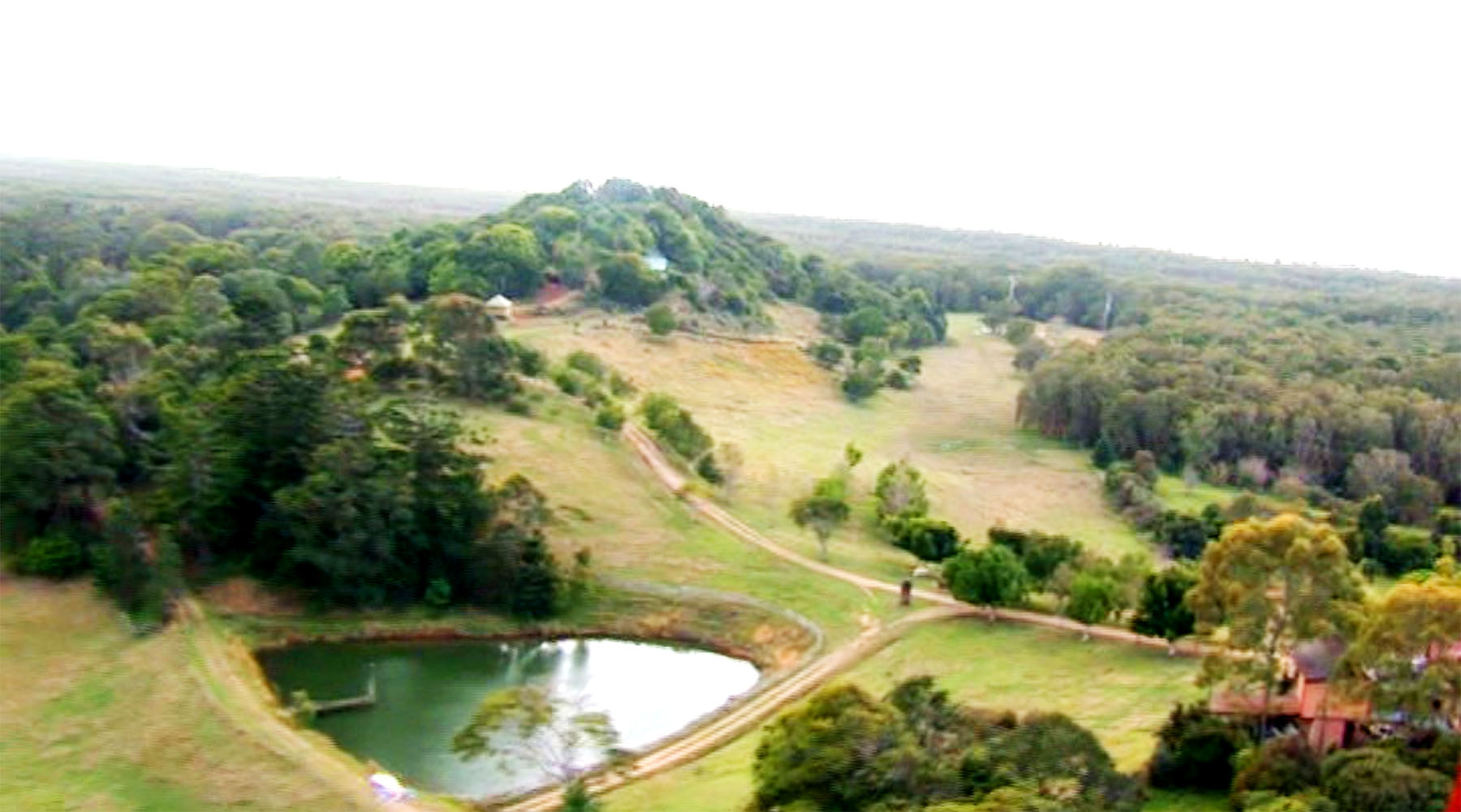
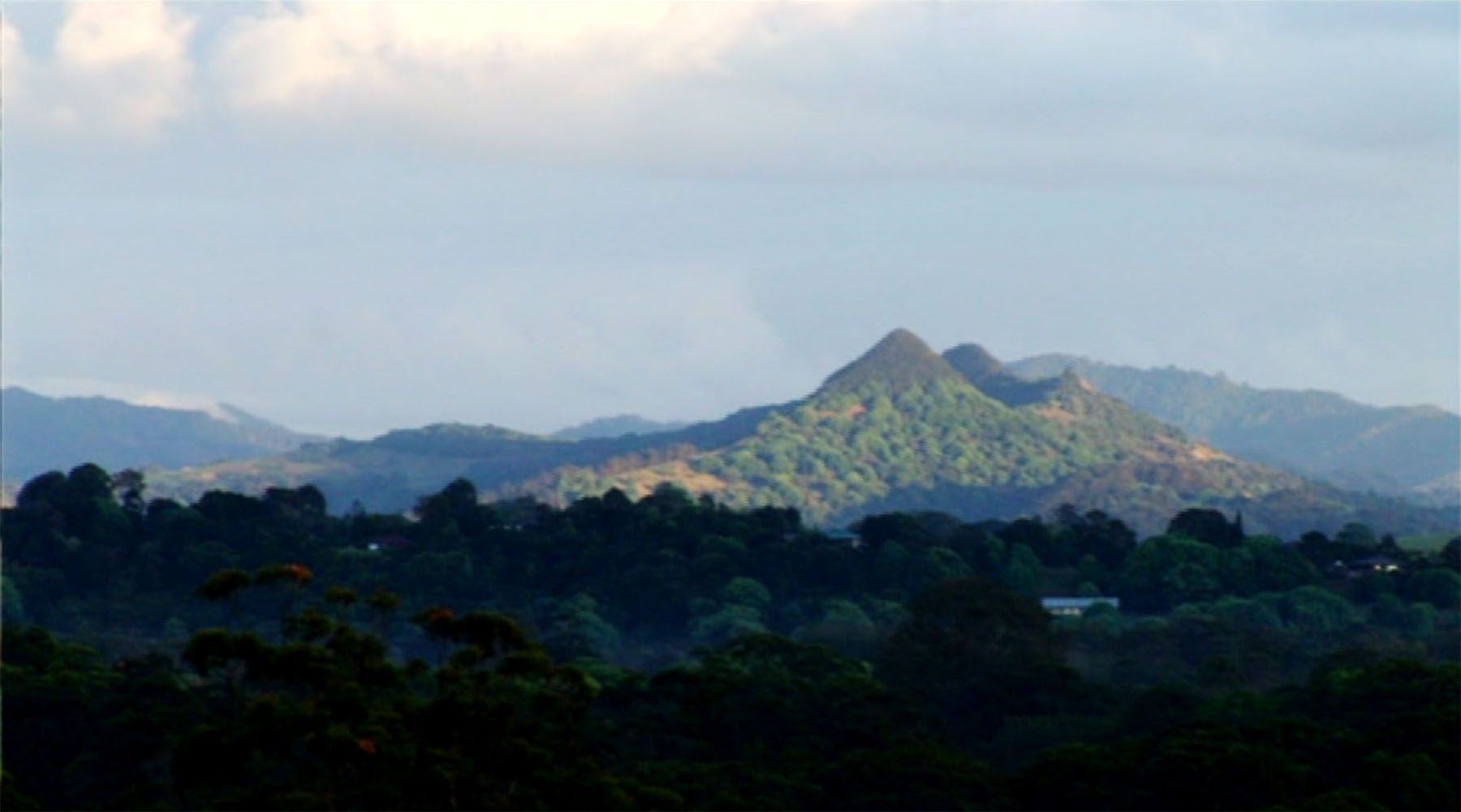
Nestled in the heart of Tyagarah, Byron Eco Park Habitat spans 75 hectares (185 acres) of diverse terrain—pristine forests, heathland, and fertile farmland—interwoven with access roads, walkways, and panoramic vistas. This visionary precinct offers 360° views from Byron Bay to Mt Chincogan and Mt Warning, with spring-fed creeks and multiple dams ensuring abundant water supply.
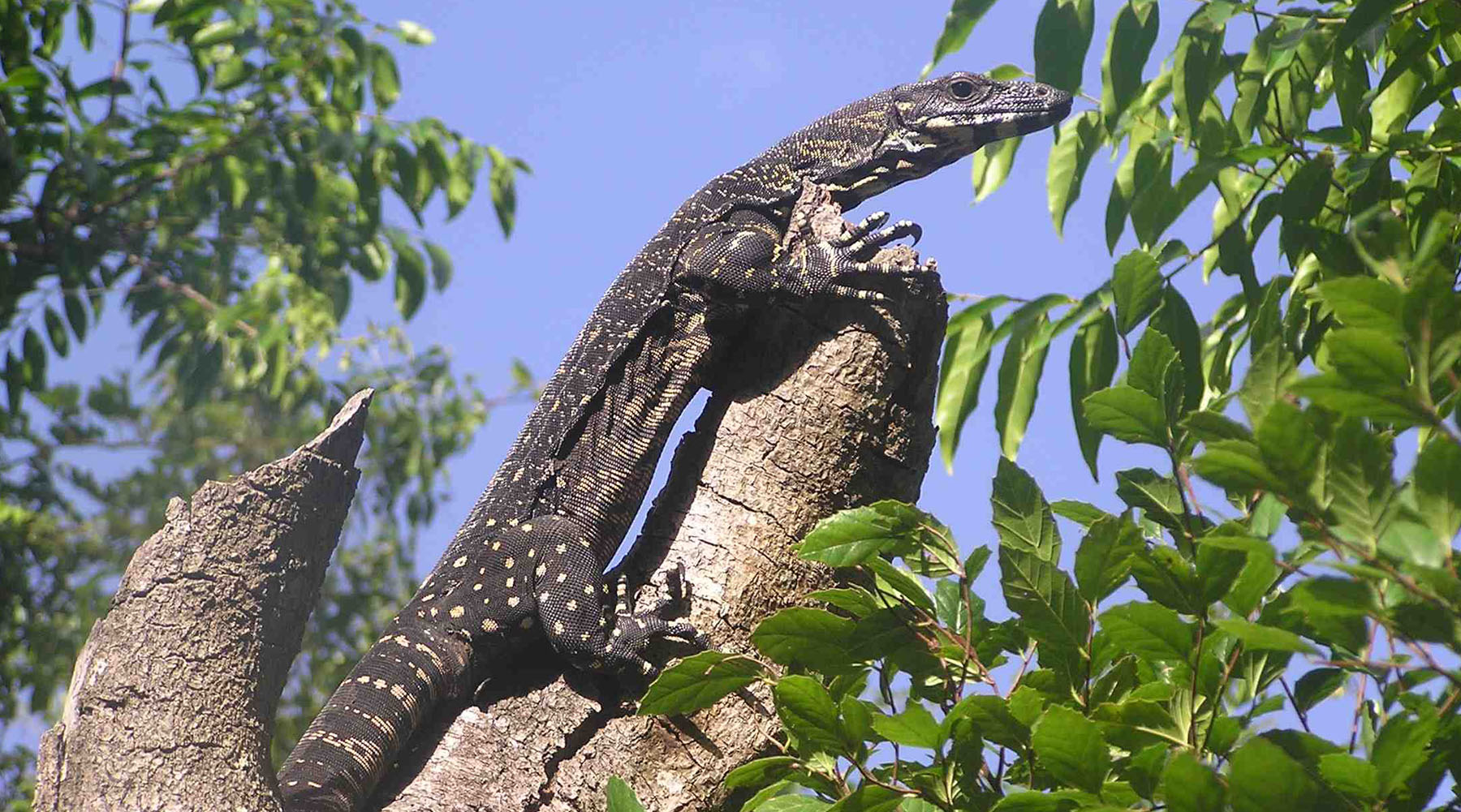
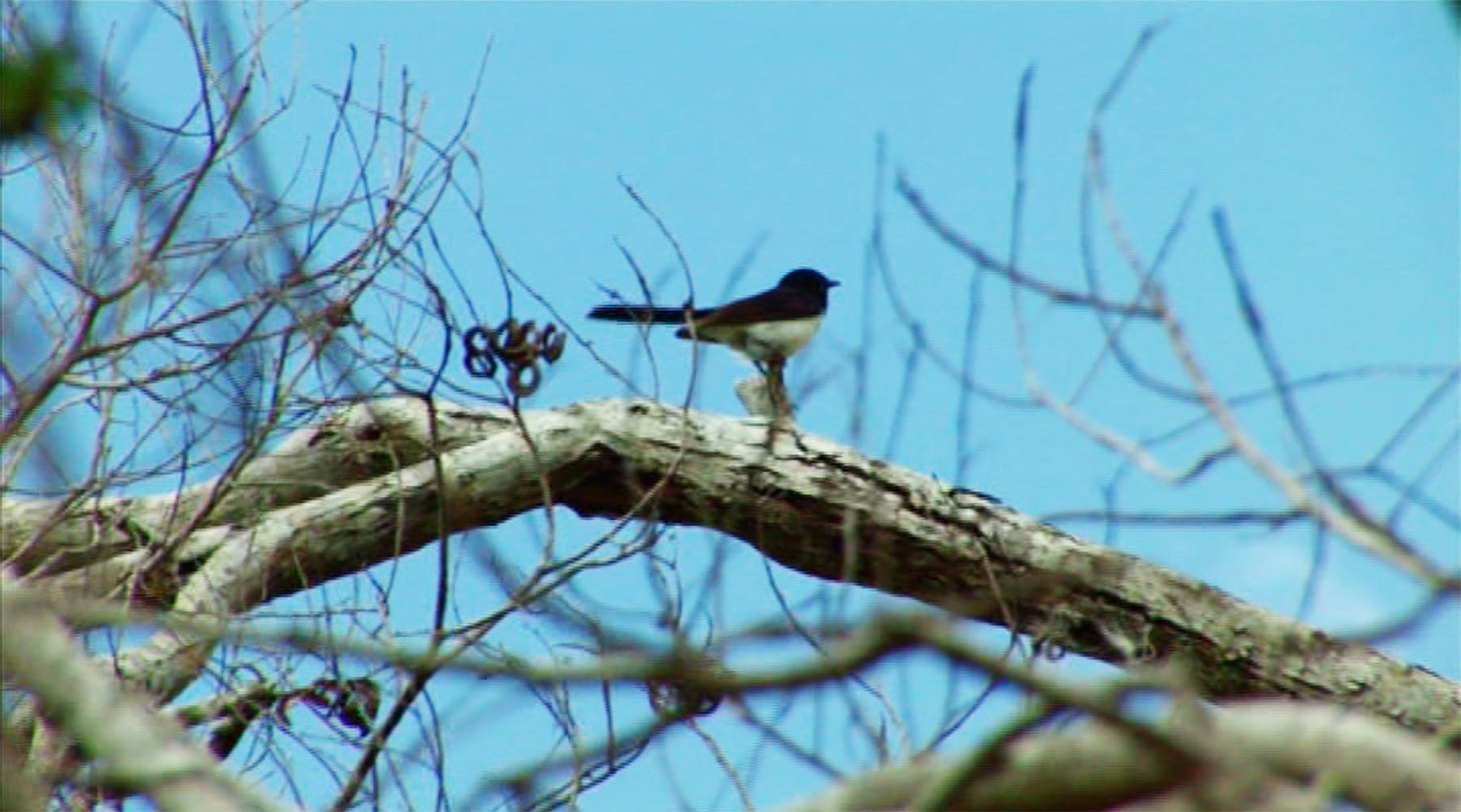
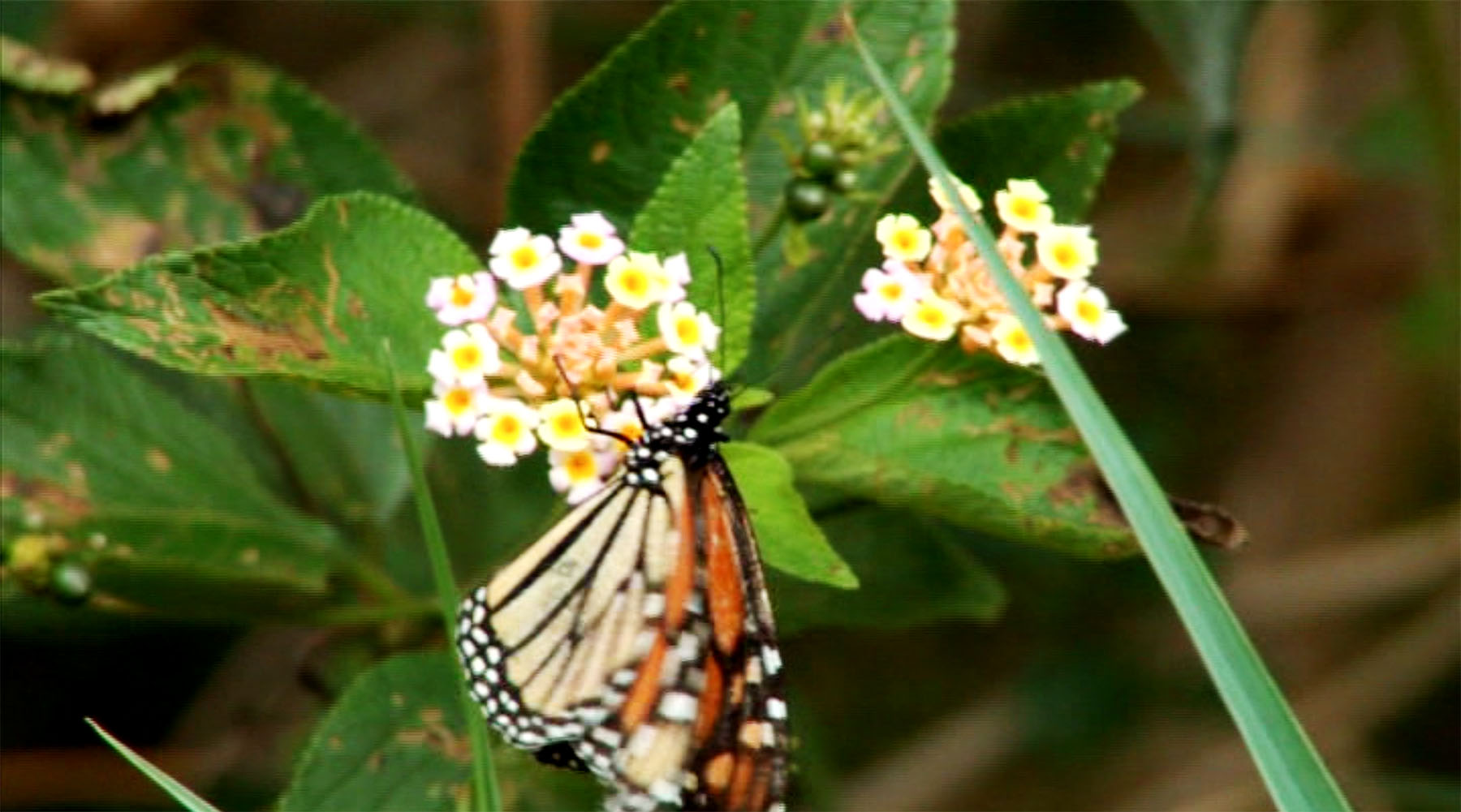
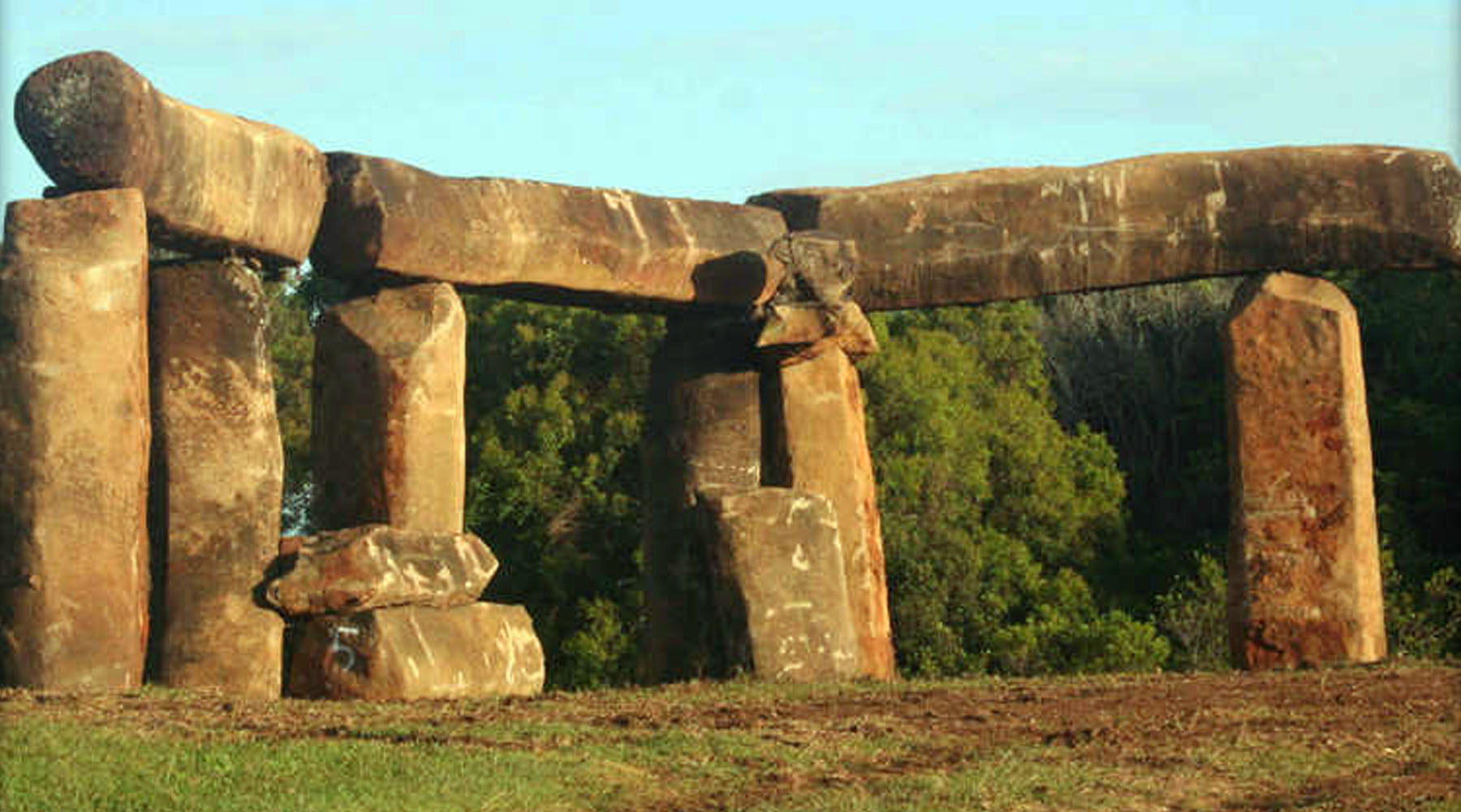
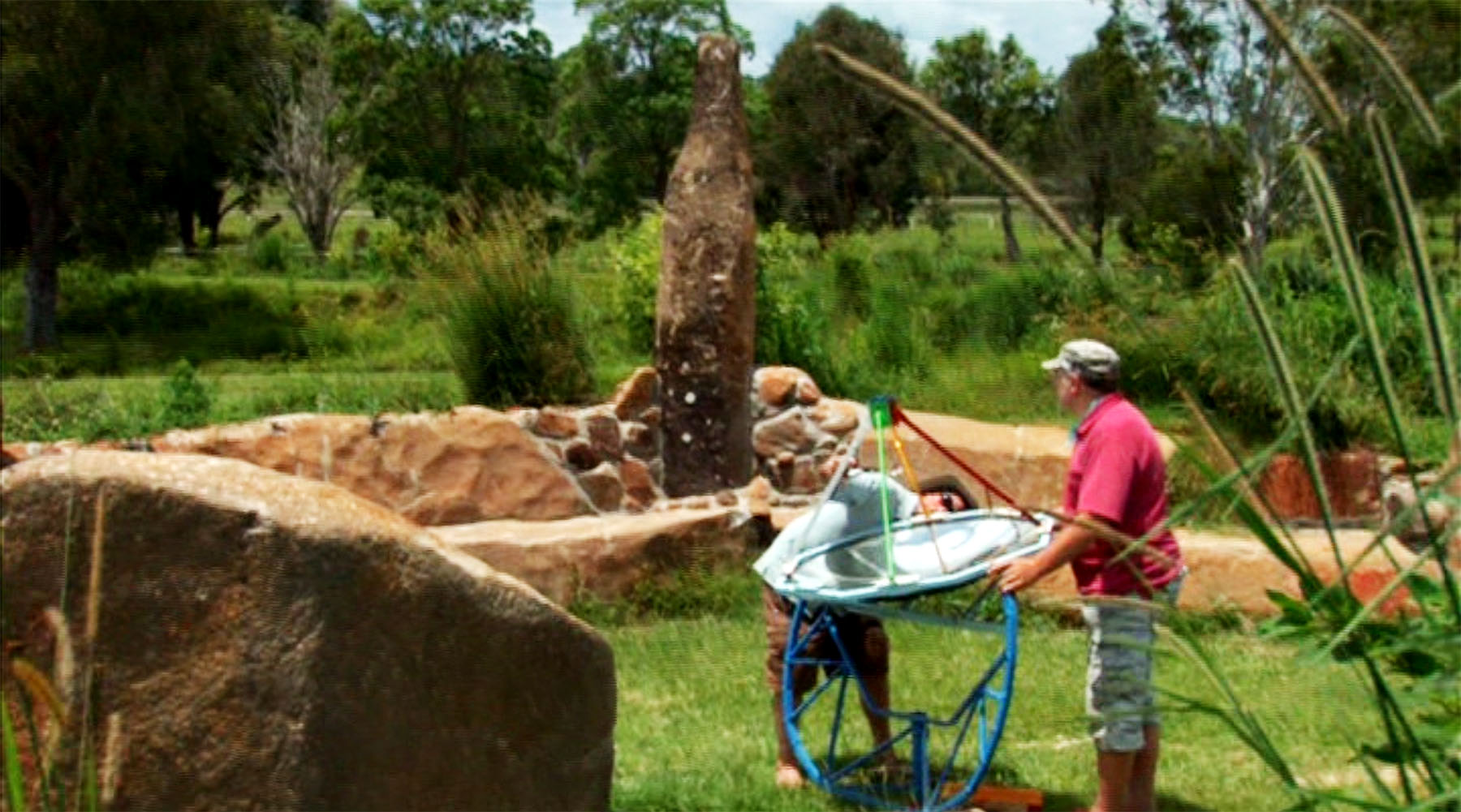
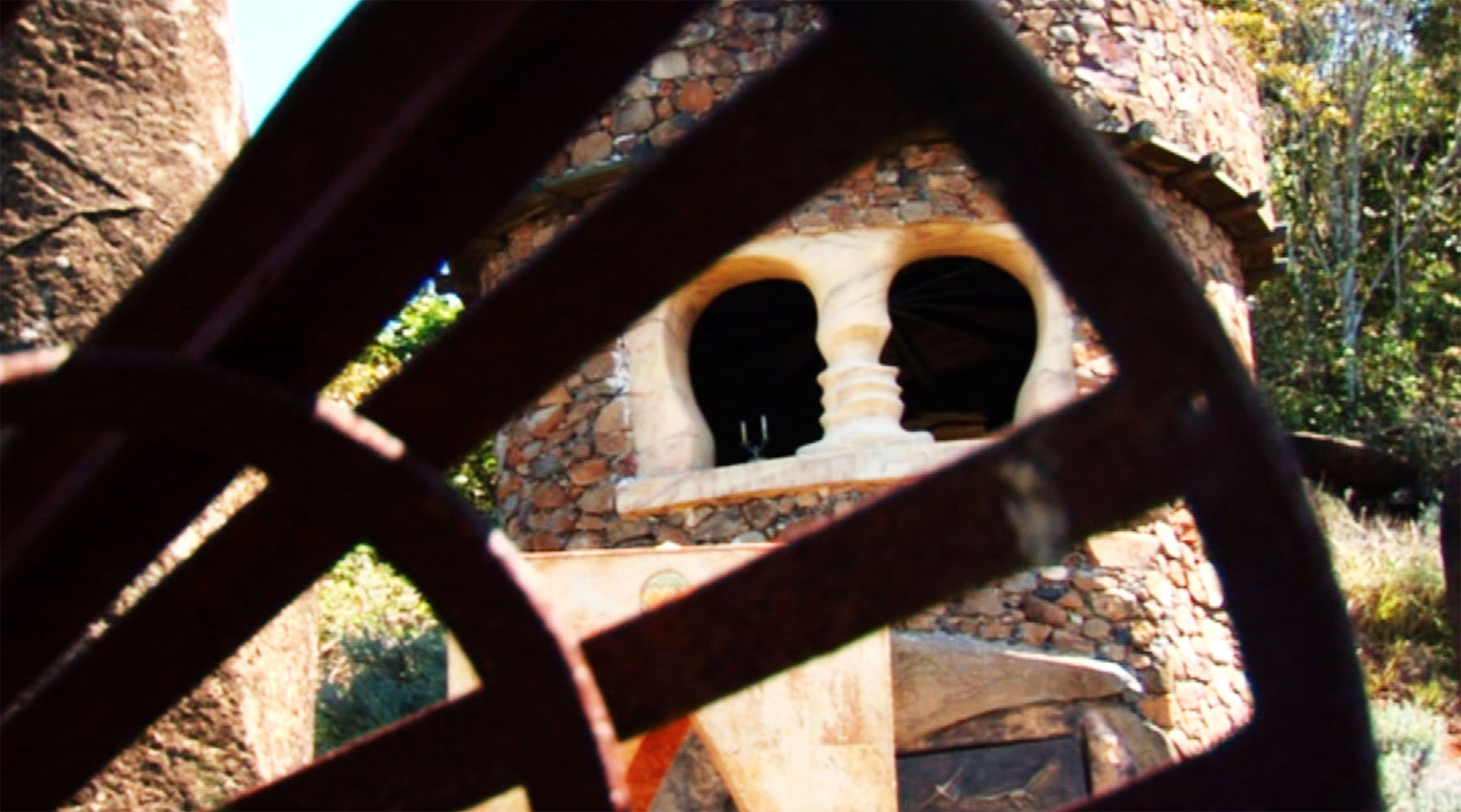
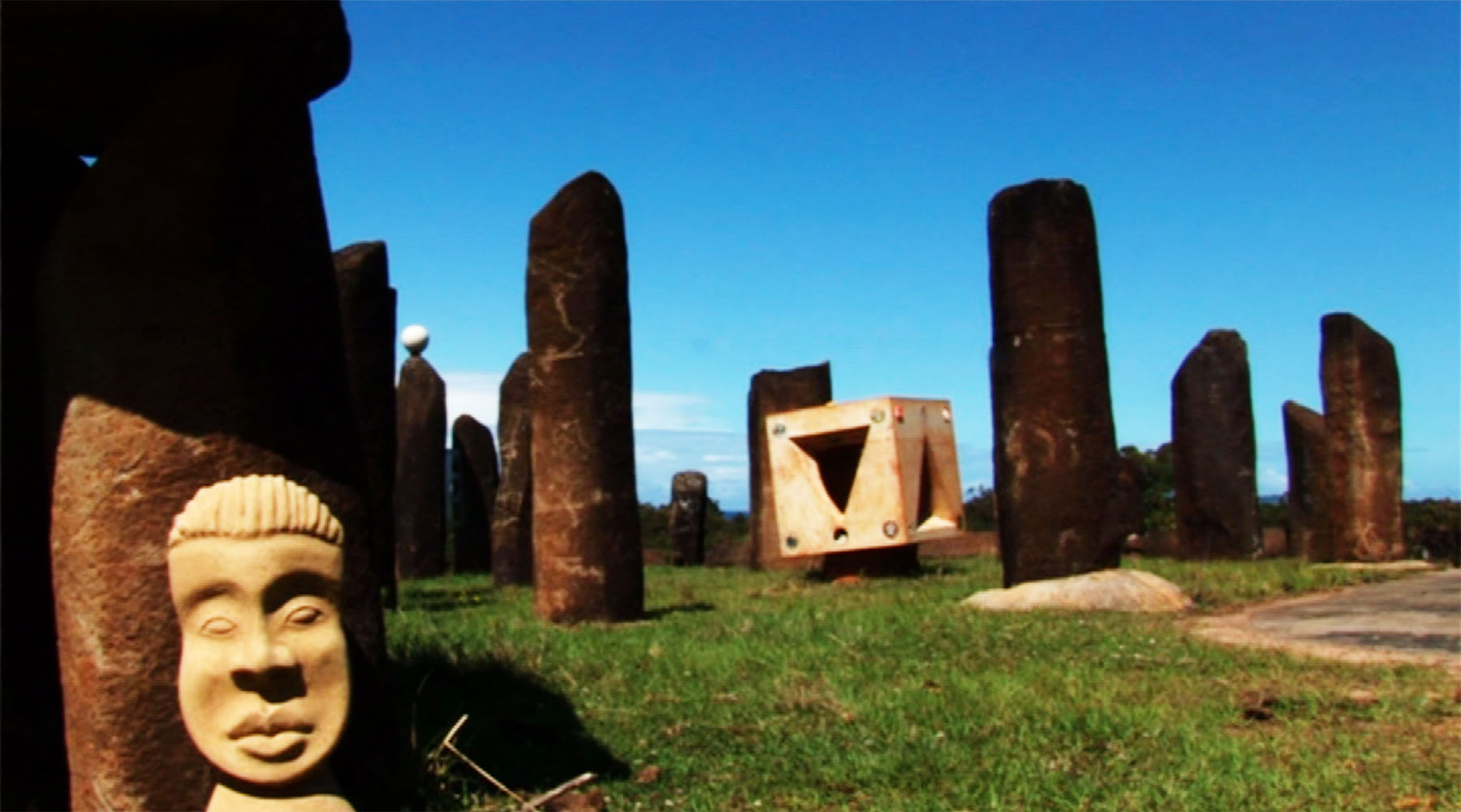
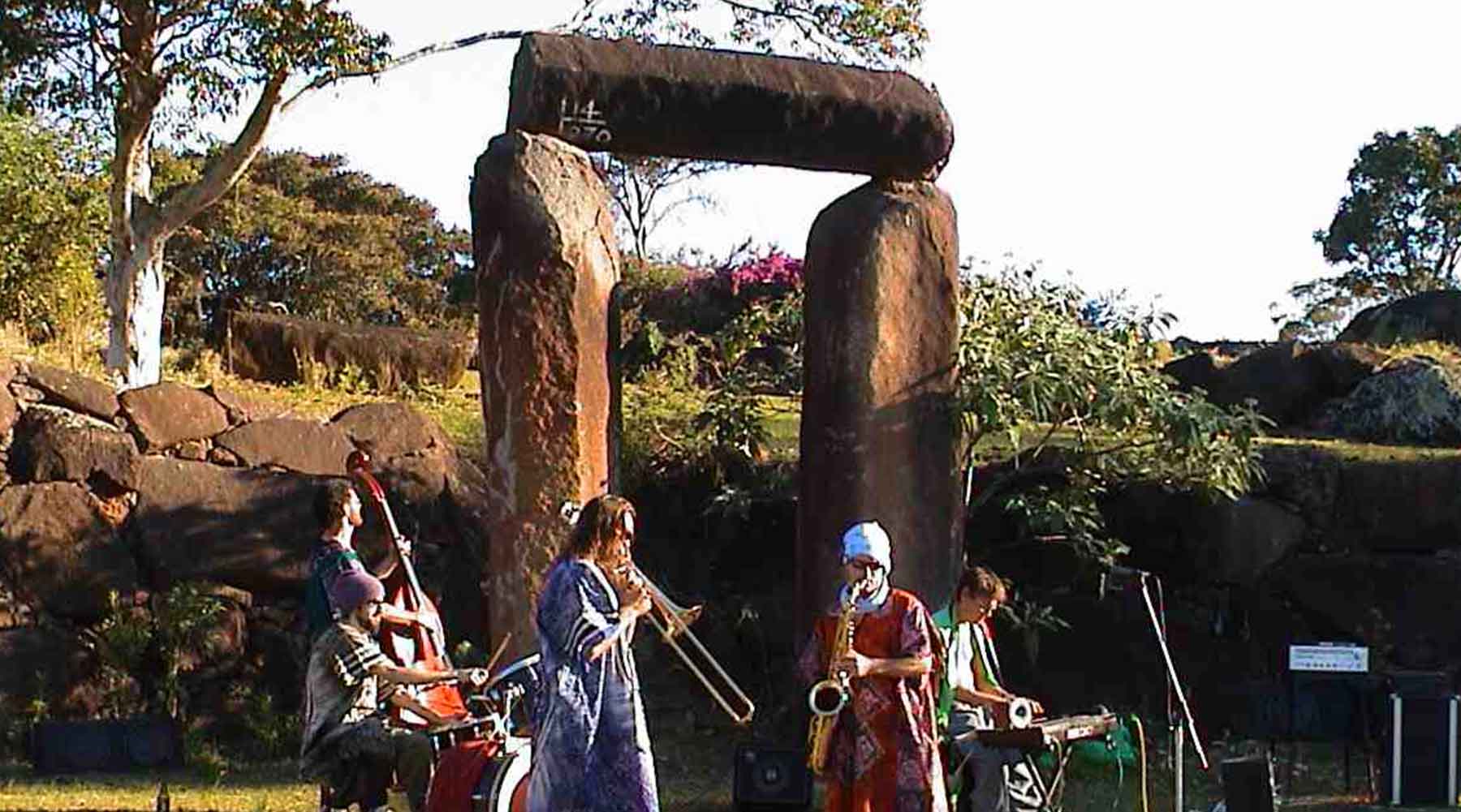
The landscape is alive with native flora and fauna: ironbark, eucalyptus, brushbox, bottlebrush, paperbark, red banksia, and macadamia trees shelter wallabies, kangaroos, koalas, goannas, and soaring eagles. Sculptural monoliths and a hand-built stone castle anchor the park’s artistic spirit, complemented by an underground ‘castle’ constructed using alternative methods.
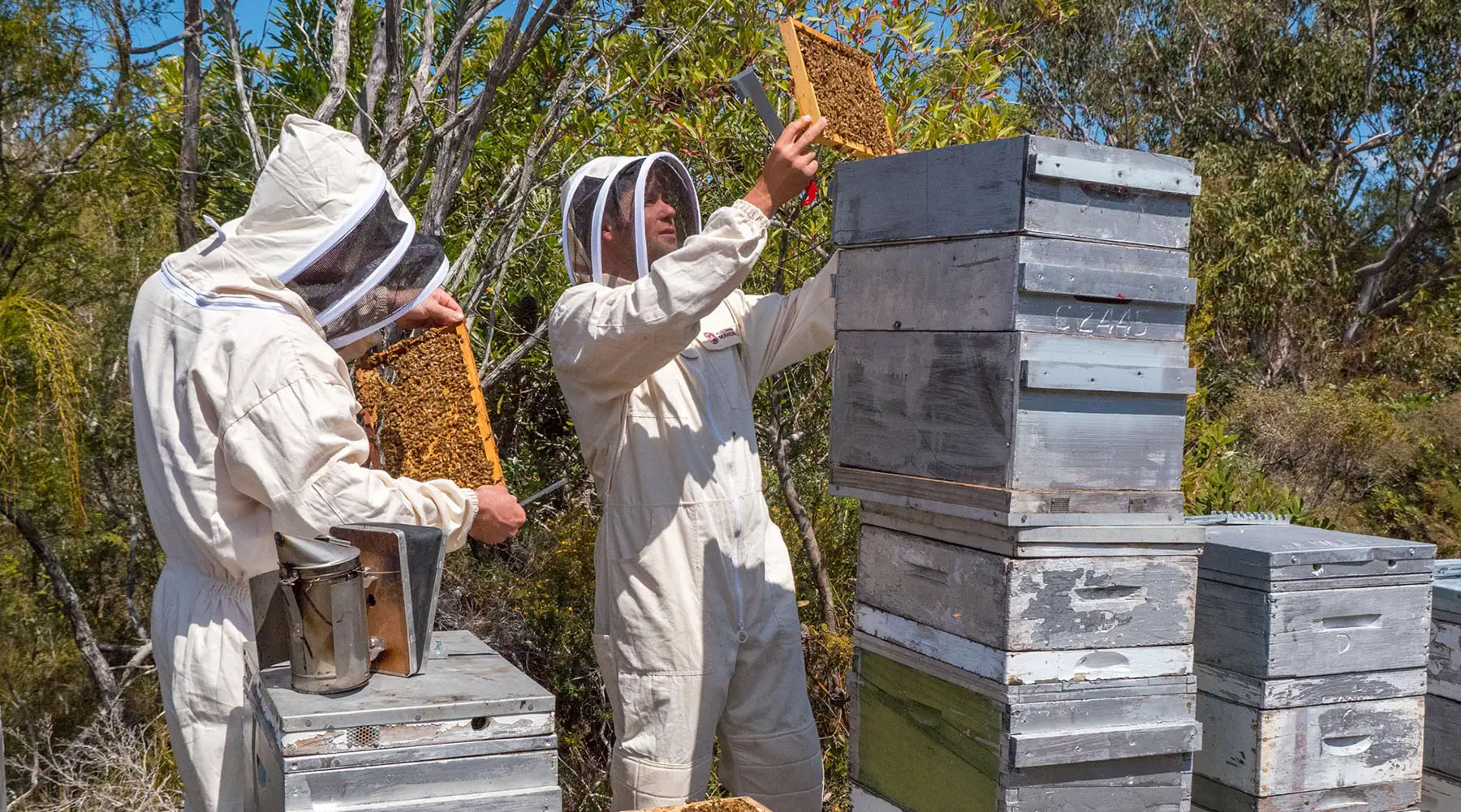
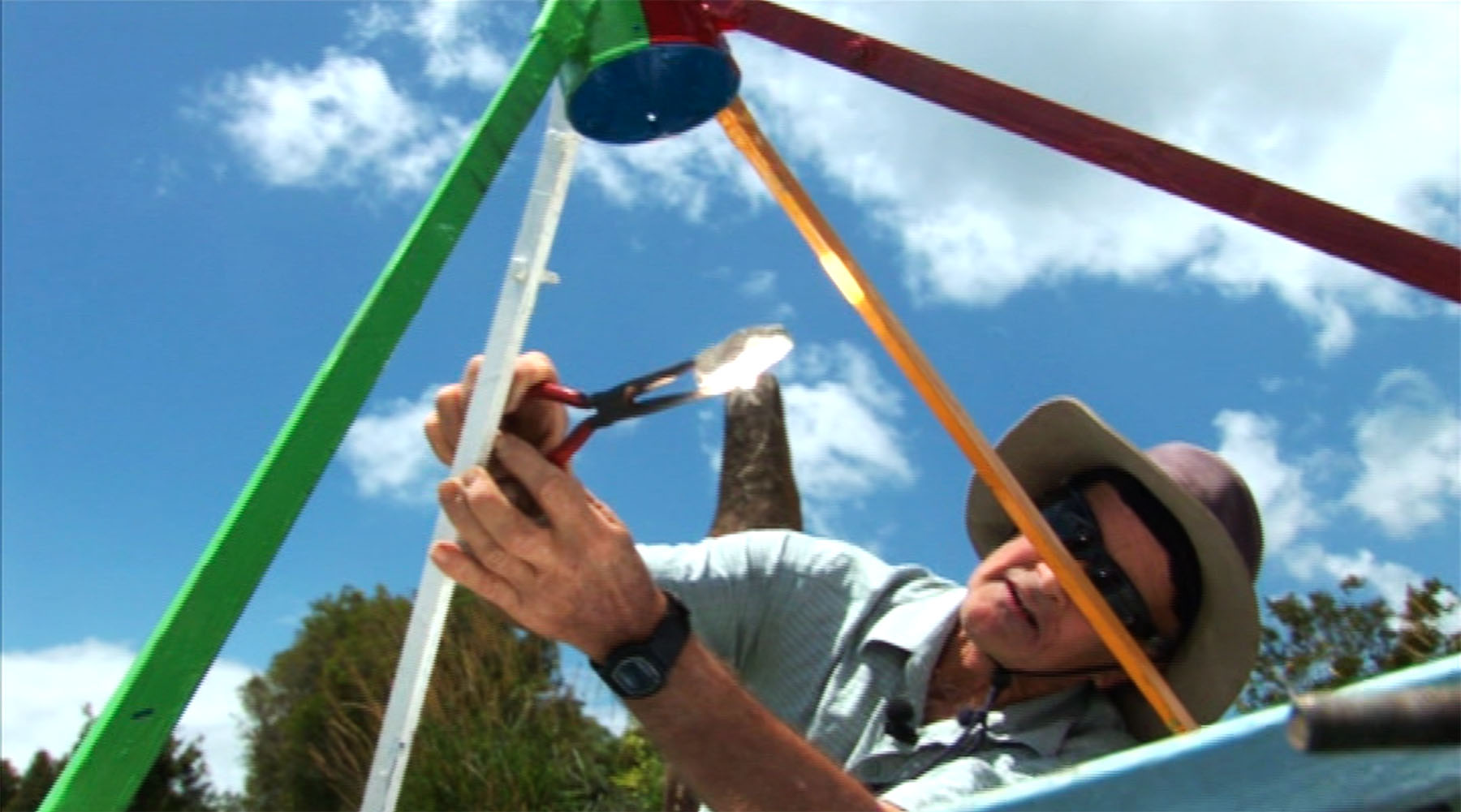
A light industrial zone supports Manuka Honey production, Flow Hive innovation, and aviation tourism—hot air ballooning, skydiving, gliding, and hang gliding—adjacent to the local airport. The solar energy plant and onsite storage achieve net-zero energy, powering a community studio complex for exhibitions and gatherings.
The proposed Byron Eco Park Habitat is more than land—it’s a living canvas for regenerative culture, ecological stewardship, and creative enterprise.
Be the first
If you’d like to partner with us, or simply follow the progress of Byron Eco Park Habitat, please fill out this form. Alternatively, if you like to send us a general inquiry, please use our CONTACT PAGE for that.
Latest News
Ideas, research and inspiration on renewable energy, regenerative living and protecting habitat.
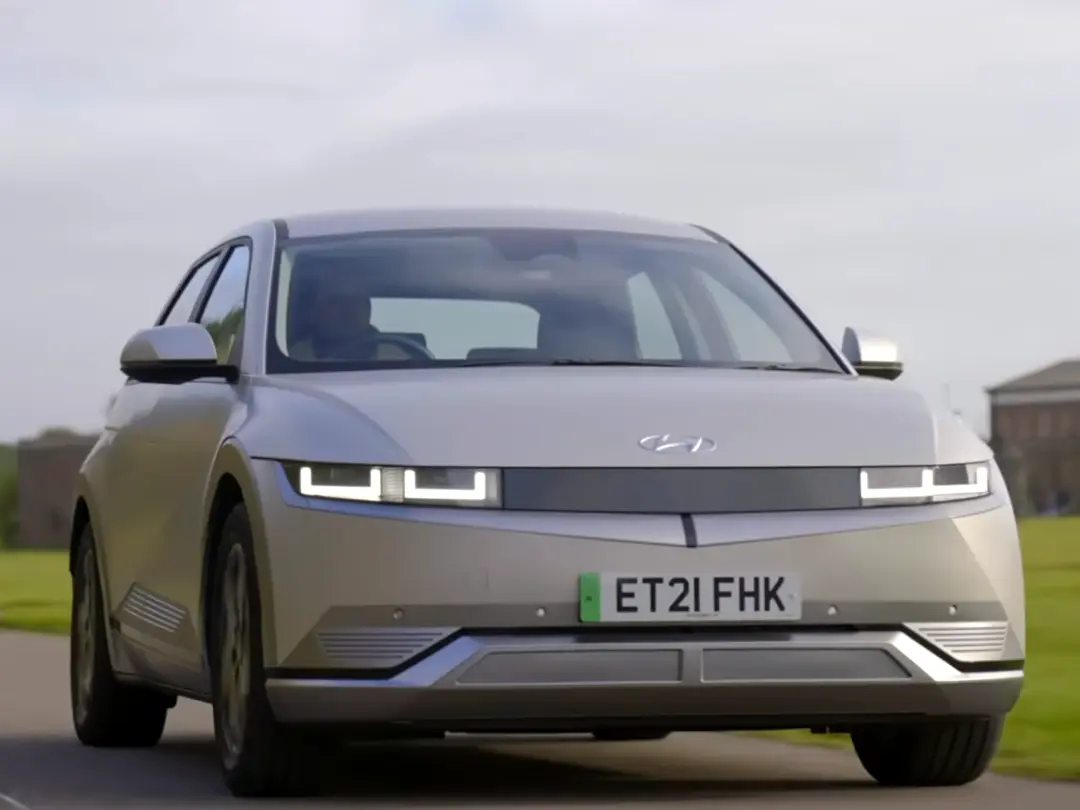
Australia’s Renewable Revolution & the EV Boom with Giles Parkinson
Energy writer Giles Parkinson on Australia's renewable revolution and the boom in electric vehicles. Essential viewing for anyone curious about where our power, and the way we get around, is heading next.

Cheaper than diesel: This electric truck is a game changer!
Can an electric truck really beat diesel on cost? This video makes the case, and it's a question that matters for regional communities like ours where freight keeps everything moving.

China’s 50% Increase in EV Truck Sales Wipes Out Global Diesel Demand
A surge in electric truck sales in China is already being felt in global diesel demand. Find out what this shift could mean for freight, fuel and emissions around the world.

Techno‑Economic Analysis of Li‑ion vs. Lead‑Acid Batteries in Energy Storage
Lead-acid batteries cost less upfront, but are they cheaper over their lifetime? We summarise a 2021 study comparing lithium-ion and lead-acid batteries for storing renewable energy, and reveal when lithium-ion pulls ahead.
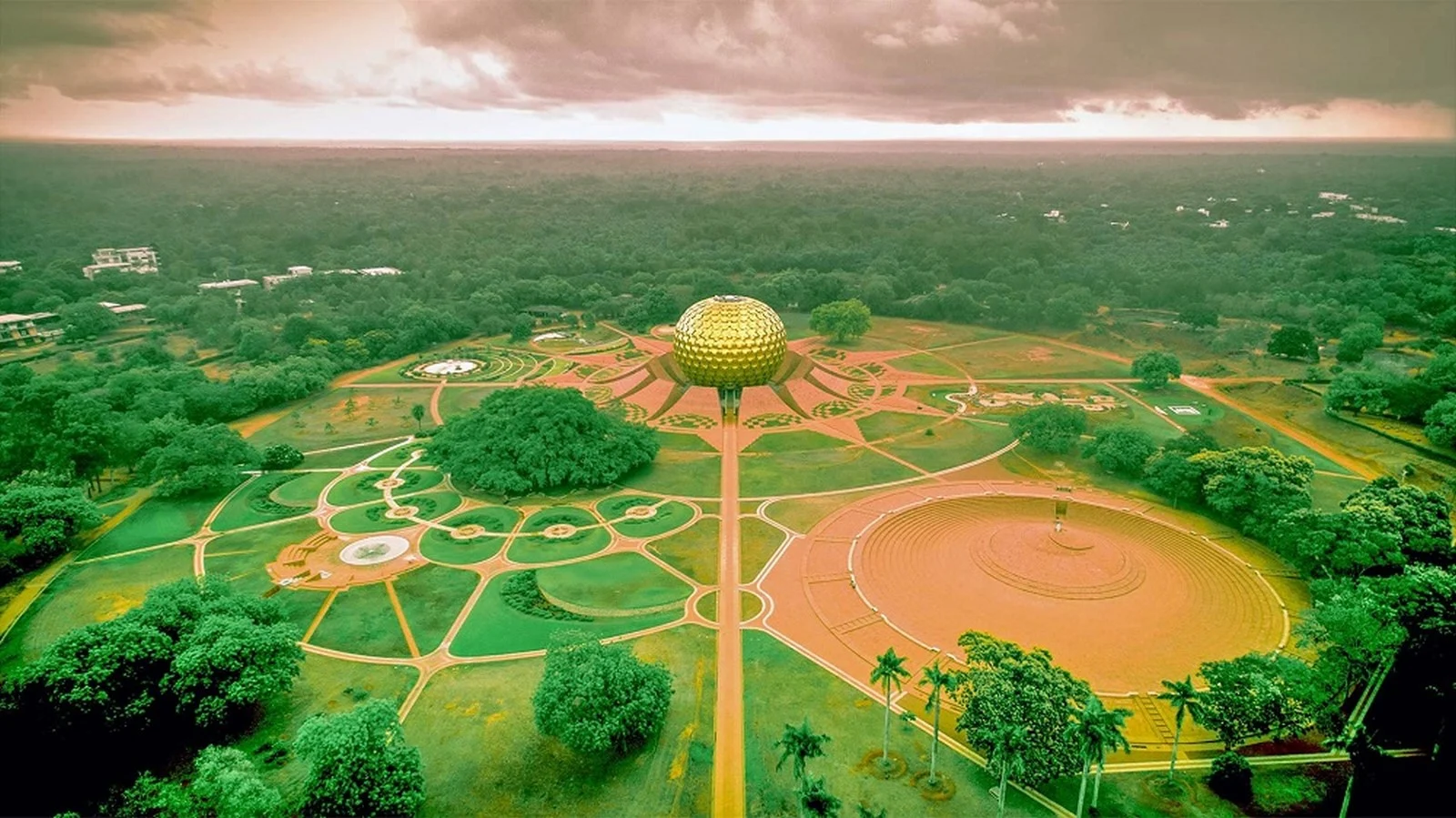
Auroville – The City of Dawn
Founded in 1968 in southern India, Auroville is an experimental township built on ideals of human unity and sustainable living. What lessons might it hold for Byron Eco Park Habitat?

Ambibox – the way of the now
Ambibox is a German company specialising in advanced power electronics and DC energy management. We explore how its technology could play a part in the Byron Eco Park Habitat solar project.

Damien Lucas: Distilling the Essence
A Tom Bass apprentice turned Byron Bay sculptor, Damien Lucas moves between classical figure and pure abstraction, and teaches the next lot.
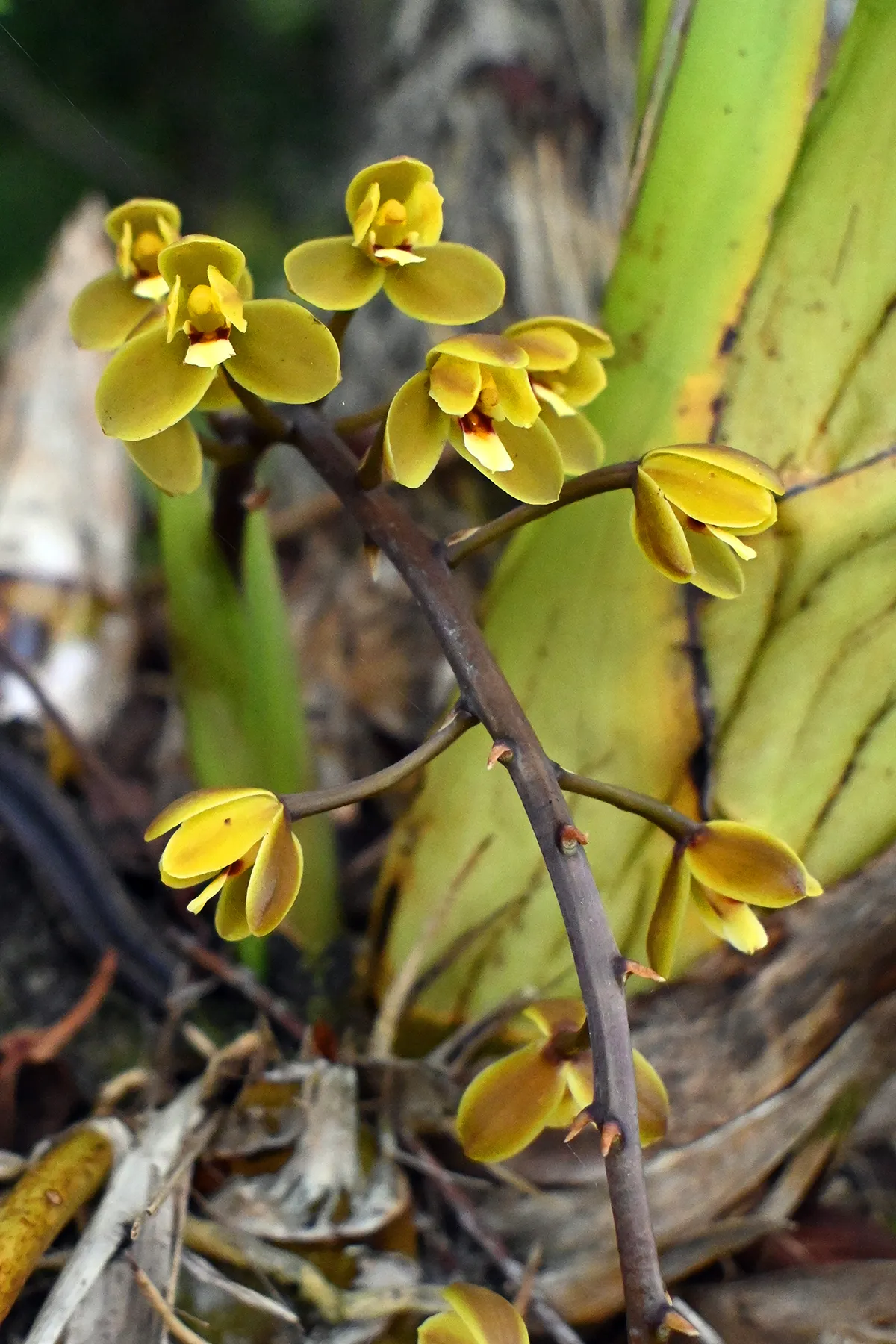
Tiny Wasps, Fewer Sprays: Dr Christopher Carr and the Trichogramma
Wasps smaller than a full stop are helping farmers cut back on chemicals. Entomologist Dr Christopher Carr studies how to make them stick.
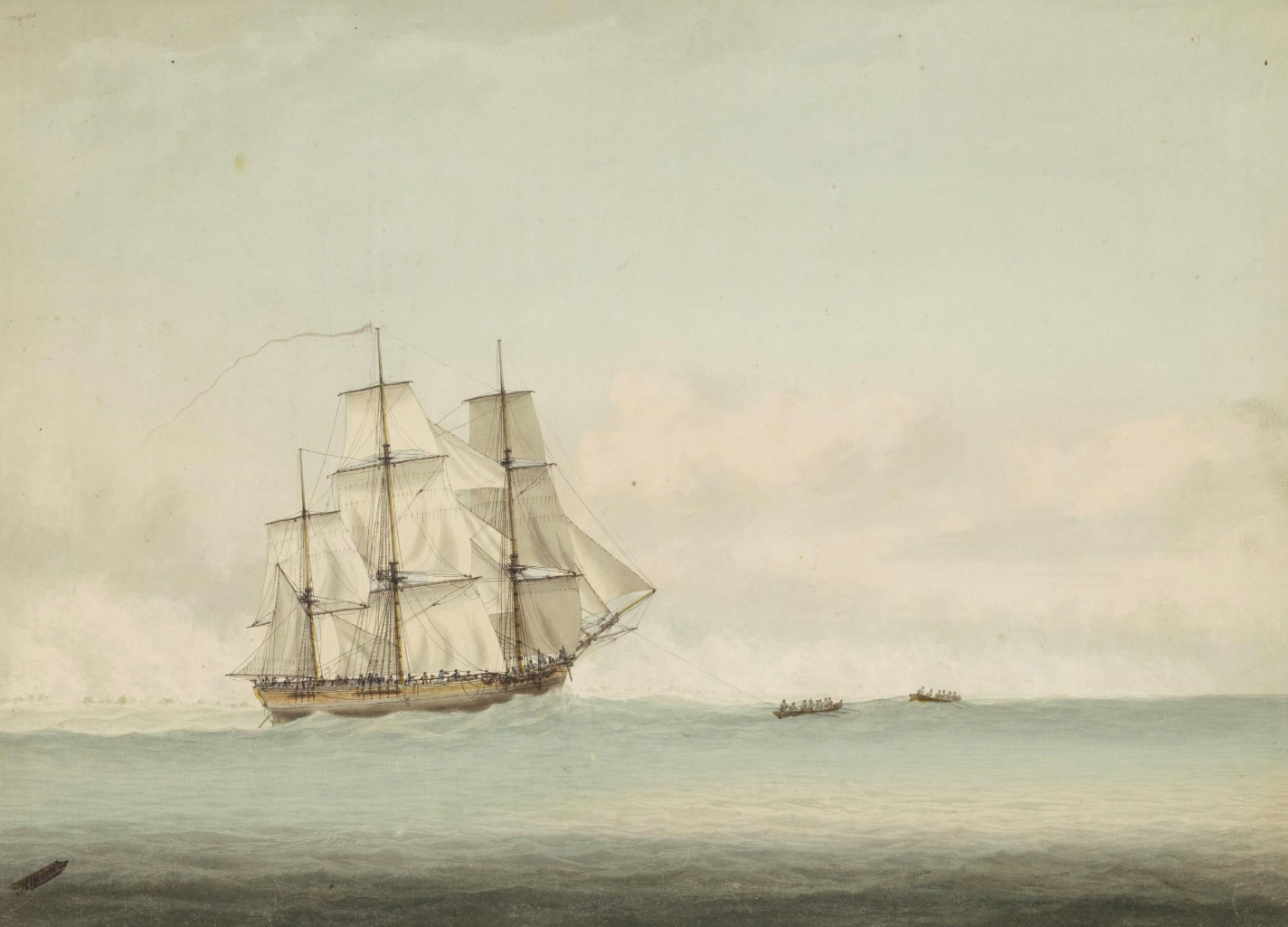
Joseph Banks Sails Past Byron, May 1770
Fires on the hills, twenty people on the beach and a remarkable peaked hill. Joseph Banks’s own words as the Endeavour ran past Byron in May 1770.