
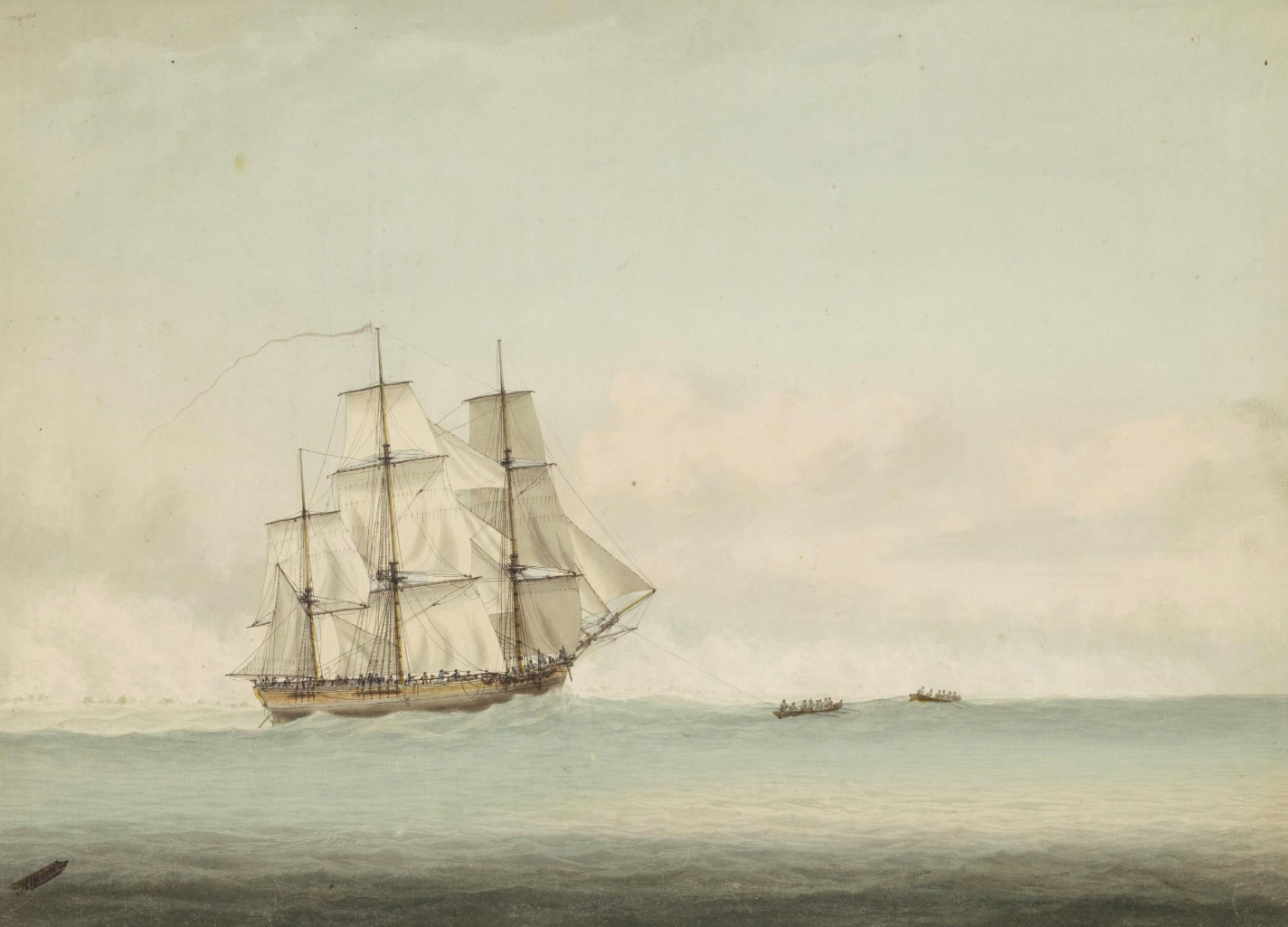
In May 1770 a single ship, HMS Endeavour, ran north up this coast with James Cook in command and a 27-year-old botanist named Joseph Banks keeping a diary. On the 15th, Cook named the headland Cape Byron. Banks, being Banks, was more interested in the people, the fires and the fish.
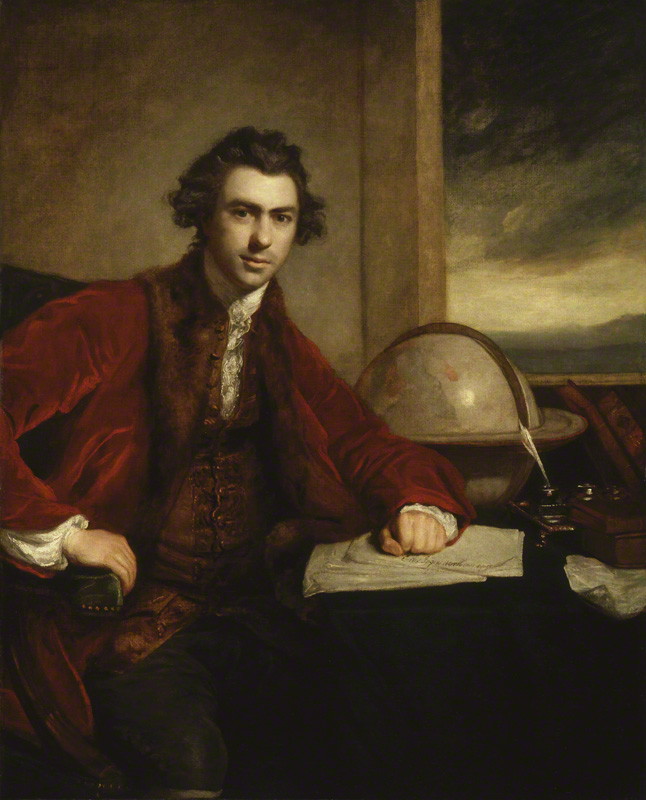
Here are his own words for those few days, original spelling and all. This was, and is, Arakwal and wider Bundjalung country, and the fires and people he describes were theirs.
Coming up the coast
Wind off shore today, it let us however come in with the land. Many porpoises were about the ship. At Noon several fires ashore, one very large which I judgd to be at least a league inland. Innumerable shoals of fish about the ship in the afternoon and some birds of the Nectris kind.
Joseph Banks, 13 May 1770. Source
For these three nights last much lightning has been seen to the Eastward. Early in the morn it was calm and some few fish were caught; after the weather became squally. The wind however after some time settled at South, the briskest breeze I think that the Endeavour has gone before during the voyage. In the afternoon the land was rather more hilly than it has been. Several fires were seen and one high up on a hill side 6 or 7 miles at least from the beach.
Joseph Banks, 14 May 1770. Source
Past Byron
The 15th is the day the Endeavour rounded Cape Byron and ran past the long beaches to the north, Tyagarah among them. Banks doesn’t name any of it. Nobody on board knew the local names, and the journals don’t record them. But this is the closest the written record gets to our stretch of sand.
Wind continued fair, a brisk breeze. The land in the Morning was high but before noon it became lower and was in general well wooded. Some people were seen, about 20, each of which carried upon his back a large bundle of something which we conjecturd to be palm leaves for covering their houses; we observd them with glasses for near an hour during which time they walkd upon the beach and then up a path over a gently sloping hill, behind which we lost sight of them. Not one was once observd to stop and look towards the ship; they pursued their way in all appearance intirely unmovd by the neighbourhood of so remarkable an object as a ship must necessarily be to people who have never seen one. The Thermometer was at 60 which rather pinchd us. In the evening two small turtle were seen. At sun set a remarkable peakd hill was in sight 5 or 6 Leagues of in the countrey, which about it was well wooded and lookd beautifull as well as fertile. We were fortunate enough just at this time to descry breakers ahead laying in the very direction in which the ship saild; on this we went upon a wind and after making a sufficient offing brought too, but it blowing rather fresh and a great sea running made the night rather uncomfortable.
Joseph Banks, 15 May 1770. Source
Twenty people walking the beach with their loads, not bothering to look up at the strangest thing they’d ever seen. Make of that what you will. The “remarkable peakd hill” is Wollumbin, which Cook named Mount Warning, and the breakers are the reefs off Point Danger.
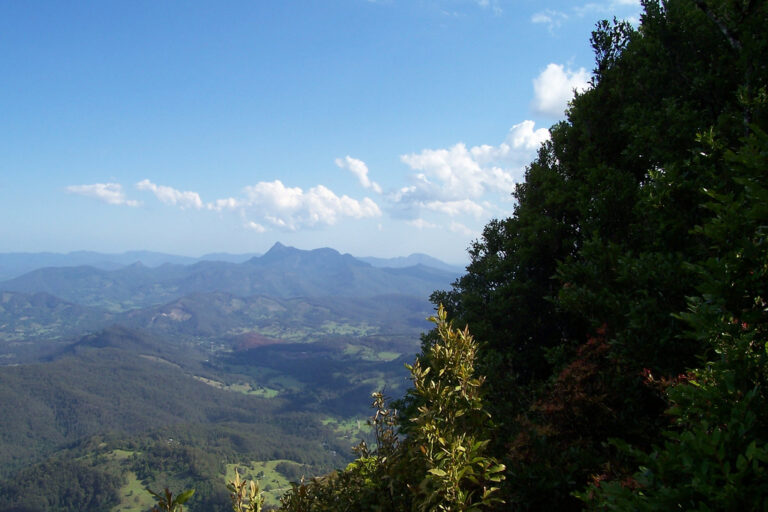
In the morn we were abreast of the hill and saw the breakers which we last night escapd between us and the land. It still blew fresh; at noon we were abreast of some very low land which lookd like an extensive plain in which we supposd there to be a Lagoon, in the neighbourhood of which were many fires.
Joseph Banks, 16 May 1770. Source
Continued to blow tho not so fresh as yesterday. Land trended much to the westward; about 10 we were abreast of a large bay the bottom of which was out of sight. The sea in this place suddenly changd from its usual transparency to a dirty clay colour, appearing much as if chargd with freshes, from whence I was led to conclude that the bottom of the bay might open into a large river. About it were many smoaks especialy on the Northern side near some remarkable conical hills. At sun set the land made in one bank over which nothing could be seen; it was very sandy and carried with it no signs of fertility.
Joseph Banks, 17 May 1770. Source
Read the whole thing
The original manuscript is held by the State Library of New South Wales. The excerpts above are from the Library’s 1998 transcription, as published day by day on South Seas: Voyaging and Cross-Cultural Encounters in the Pacific. The full text is also on Project Gutenberg Australia.
– Carl