Aboriginal and Torres Strait Islander readers are advised that this article contains the names of people who have died.
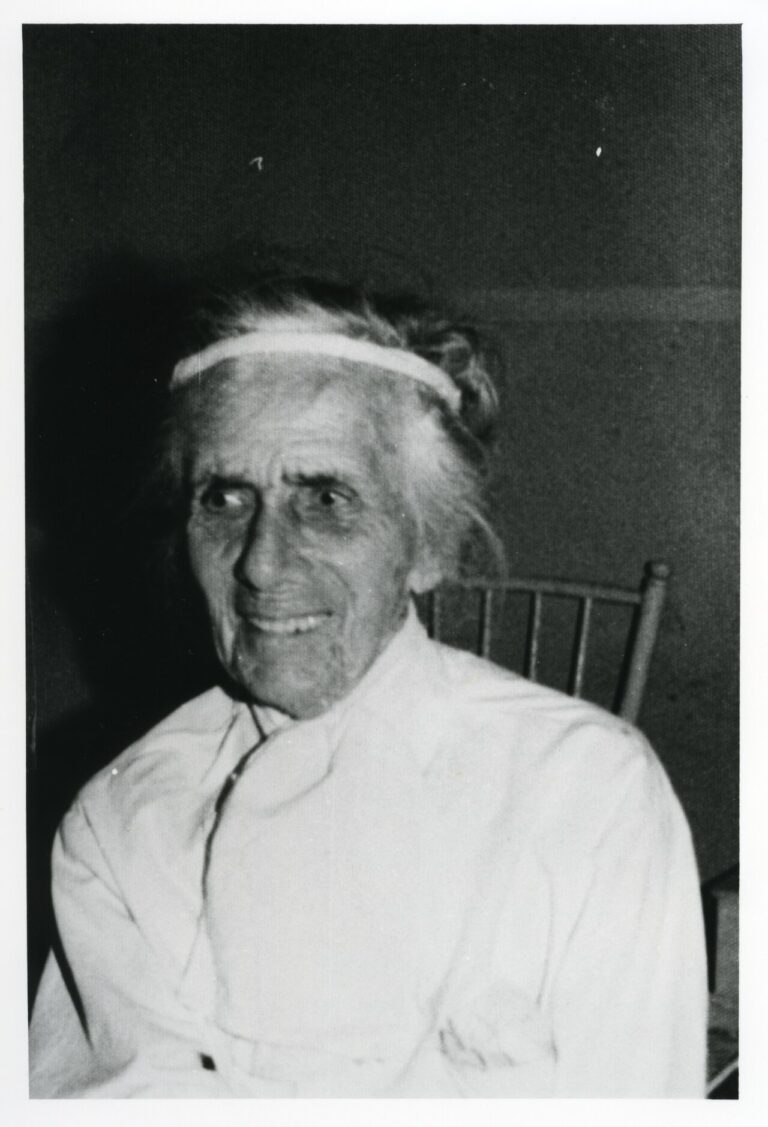
Botanical artist. Anthropologist. Activist. Gardener. Courthouse cleaner. ASIO file. Olive Pink was all of these, usually at once, and she annoyed nearly everyone in authority along the way. Seventy years on, the garden she fought for in Alice Springs is still growing.
Hobart, Sydney and a drawing board
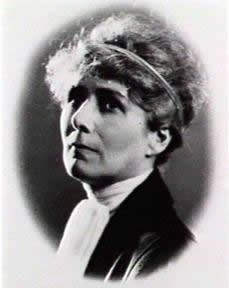
Olive Muriel Pink was born in Hobart on 17 March 1884. She studied art at Hobart Technical School, taught there, then moved to Sydney to study at Julian Ashton’s school. Drawing paid the bills: from 1915 she worked as a draughtsman for the NSW Department of Public Works, then for the railways, until the Depression took the job. The same month she started, her close friend Captain Harold Southern was killed at Gallipoli.
The flowers by the railway line
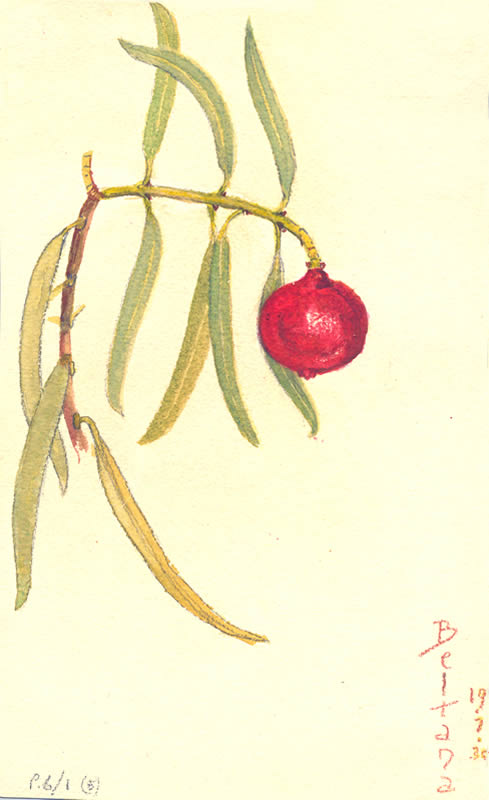
In 1926 she visited Daisy Bates at Ooldea on the Nullarbor, and it changed her direction. In 1930, after the drought broke, she rode the line north to Alice Springs and sketched wildflowers wherever the railway workers told her they were blooming. Those sketches are now held by the University of Tasmania, along with much of her other work.
An anthropologist nobody could manage
She studied anthropology at the University of Sydney under Raymond Firth and A. P. Elkin, then did fieldwork with the eastern Arrernte near Alice Springs and the Warlpiri in the Tanami between 1933 and 1936. She was one of very few women in the field. She published on the Arrernte in Oceania, but refused to hand over her Warlpiri notes, locking them away for fifty years. That cost her the profession. T. G. H. Strehlow attacked her lack of qualifications, and her access to reserves and missions was restricted.
She didn’t stop. She wrote endlessly to politicians and newspapers demanding land, mining and civil rights for Aboriginal people, and proposed a “secular sanctuary” for the Warlpiri, free of police, missions and government. Her information found its way into a 1939 union booklet calling for a new deal for Aboriginal people, and the security services opened a file on her. They concluded she wasn’t a threat. Others might have disagreed.
In 1942, backed by Quaker supporters and the Sheetmetal Workers’ Union, she went back to the Tanami and ran a ration depot at Thompsons Rockhole. In 1946 she moved to Papinya with about thirty Warlpiri people to teach, garden and try to build that sanctuary. Drought, a broken-down car and an assault ended it. The government later set up the settlement that became Yuendumu.
The garden
Back in Alice Springs she lived in a tin hut, sold fruit and flowers, cleaned the courthouse, fought with neighbours, lost the hut to fire, and lived in a tent. Then she started lobbying for a reserve of desert plants on the east bank of the Todd River. With help from Paul Hasluck, then Minister for Territories, the Australian Arid Regions Flora Reserve was gazetted in 1956, with Olive as honorary curator.
She spent the rest of her life there, nearly twenty years, with her long-time gardener and companion, Warlpiri man Johnny Jambijimba Yannarilyi. She died in Alice Springs Hospital on 6 July 1975, aged 91, and was buried with Quaker rites.
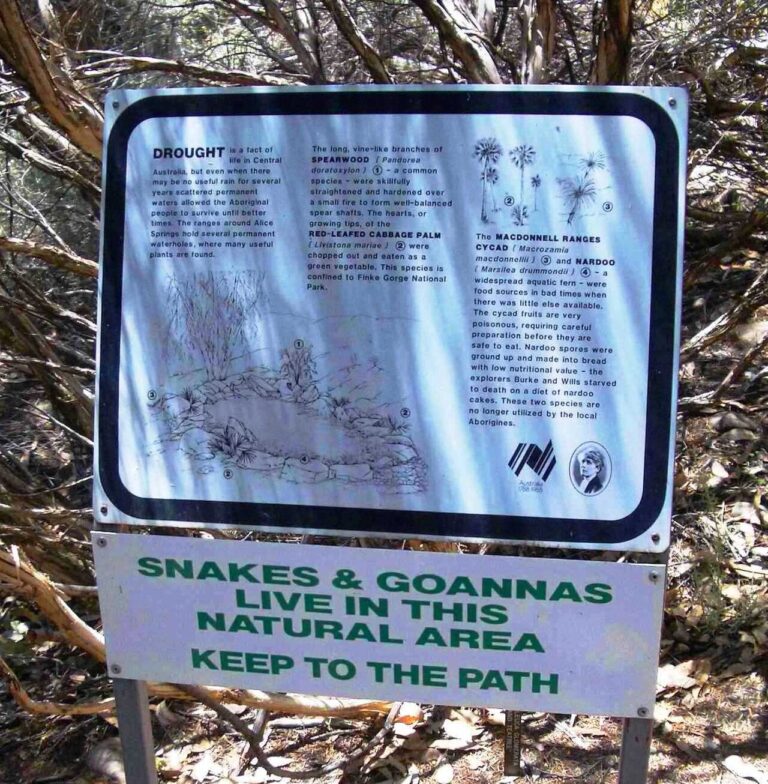
The reserve opened to the public in 1985 and became the Olive Pink Botanic Garden in 1996. It’s Australia’s only arid-zone botanic garden, run by a volunteer board of trustees, and some of her original plantings are still there. Composer Anne Boyd wrote an opera about her, premiered in the garden in 2022.
Was she right?
About plenty, and well ahead of her time. Some of her methods and attitudes are rightly questioned now, and her biographers don’t paper over the contradictions. But she saw desert plants as worth protecting when most gardeners were ripping them out, and she spent forty years refusing to look away. That’s worth something.
Read more
- Julie Marcus, “Pink, Olive Muriel (1884–1975)”, Australian Dictionary of Biography
- Julie Marcus, The Indomitable Miss Pink (UNSW Press, 2001)
- Gillian Ward, Olive Pink: Artist, Activist & Gardener (Hardie Grant, 2018)
- Saskia Beudel and Margo Daly, “Gallant Desert Flora: Olive Pink’s Australian Arid Regions Flora Reserve”, Historical Records of Australian Science (2014)
- University of Tasmania, Miss Pink’s Wildflowers: From the Olive Pink Collection
- Olive Pink Botanic Garden, Alice Springs
– Carl